Self-Hosted Raspberry Pi Docker

Audiobooks Home Server

A personal Audible — running on a repurposed desktop.

Audiobookshelf interface screenshot

Over the years my family has collected a large audiobook library. After we moved out, accessing books we already own became difficult. I found Audiobookshelf — an open-source, self-hosted audiobook server — a personal Audible, a personaudible, if you will.

I started with a spare Raspberry Pi 4B running the server in a Docker container. It handled one or two simultaneous listeners fine, but the family's usage quickly exceeded the Pi's limits. I sourced a cheap old desktop, repurposed it as an Ubuntu server, and migrated the library there. Much better.
Arduino Hardware C++

Homemade Chess Clock

Why pay $60 when you have an Arduino and too much confidence?

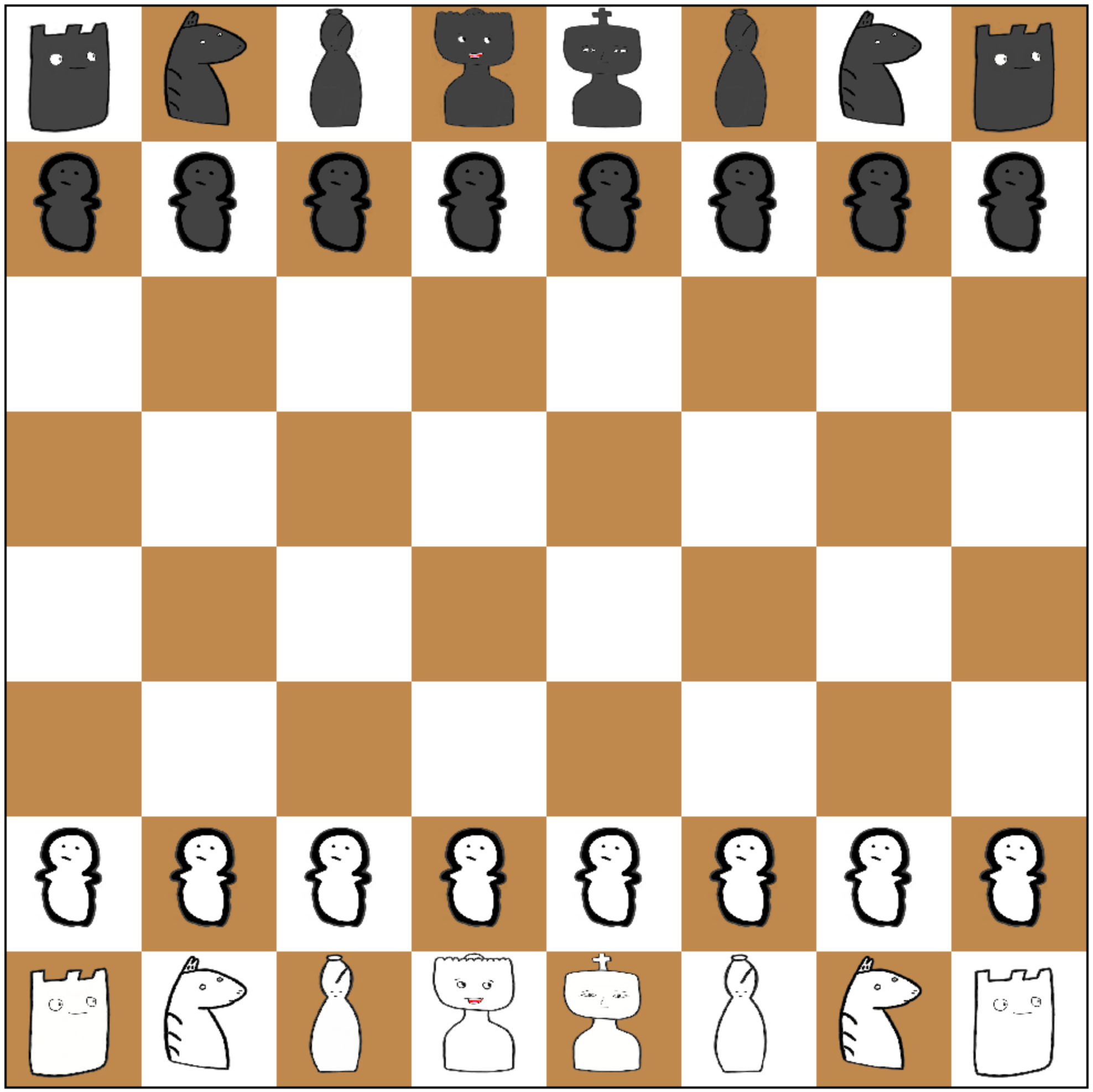
Hand-drawn chess set used at tournaments

Early in the Covid-19 pandemic I became enamored by chess. Like many people, I made a chess.com account and worked through puzzles and games. Puzzle solving was more compelling to me — given enough time, the right move exists. The thrill of winning (and the utter disappointment of losing) kept me hooked.

I eventually got a US Chess Federation membership and started playing small tournaments. Most events ask players to bring a board and a clock to keep costs down. Clocks sell for around $60 — so naturally I thought: how hard could it be to make my own?

I dug out my old Arduino Uno from an EE class and sourced a breadboard, buttons, an LCD screen from eBay, resistors, and what felt like a million jumper wires. Refreshing my C++ muscle memory was straightforward enough. The real challenge was troubleshooting hardware from questionable sellers — poor solder joints, unreliable components, and messy code all compounded. I got a half-working clock before the LCD decided to only display its left half. The project is shelved until I can source a reliable replacement screen.

Shelved — awaiting LCD replacement